


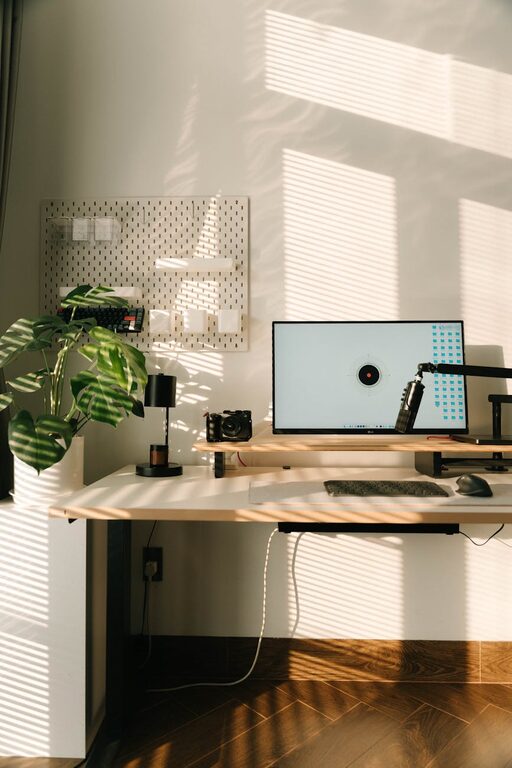
Creating a relaxing home office environment is essential for maintaining focus and enjoying your workday. Whether you work remotely full-time, freelance, or occasionally take work home, a calm and organized space helps you stay productive and reduces stress. Here are some practical tips to help you design a home office that promotes relaxation and efficiency.
Choose the Right Location
The first step in creating a relaxing office space is selecting the best spot in your home. Ideally, this should be a quiet area with minimal distractions. If possible, avoid placing your desk in a high-traffic zone or near noisy appliances.
Consider Natural Light
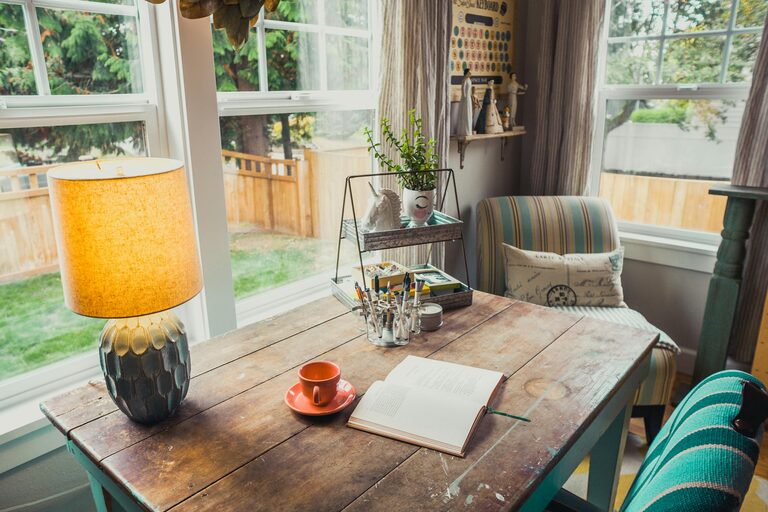
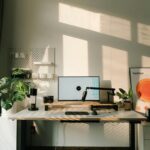
Try to position your workspace close to a window. Natural light improves mood and helps reduce eye strain. If your room lacks windows, invest in daylight bulbs that mimic natural sunlight to brighten your space effectively.
Invest in Comfortable Furniture
Your office furniture significantly impacts your comfort and posture. A comfortable chair with adjustable height and lumbar support prevents back pain and helps maintain good posture throughout the day.
Ergonomic Desk Setup
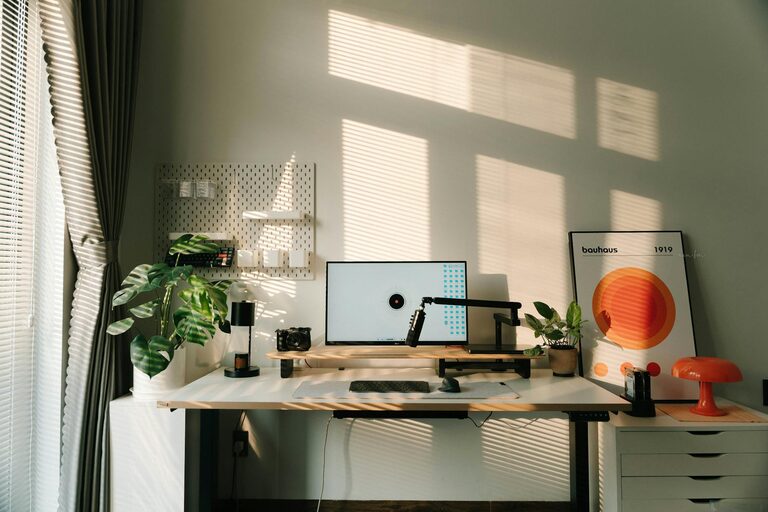
Choose a desk at the right height for your chair and ensure your computer screen is at eye level. Using a separate keyboard and mouse can also help reduce wrist strain.
Use Calming Colors and Decor
Colors affect our mood and productivity. Soft hues like blues, greens, or neutral tones promote relaxation and focus. Avoid overly bright or distracting colors that might make it harder to concentrate.
Incorporate Plants
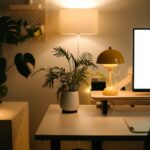
Adding indoor plants not only improves air quality but also creates a peaceful atmosphere. Plants like succulents, snake plants, or peace lilies are low-maintenance and ideal for office spaces.
Keep Your Space Organized
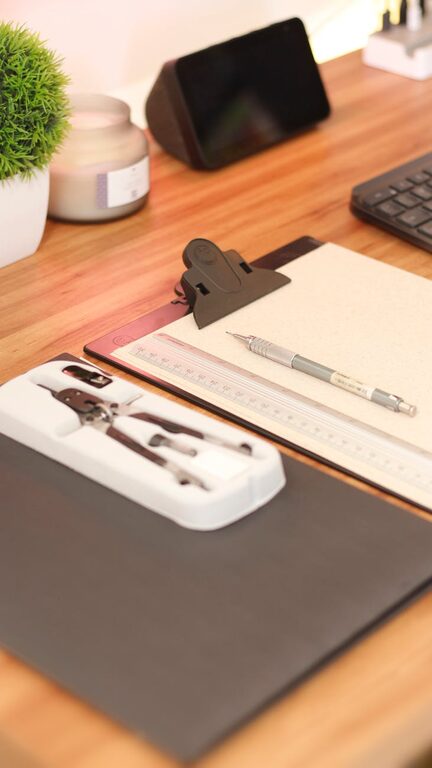
Clutter causes unnecessary stress and distraction. Use storage solutions like shelves, drawers, and organizers to keep supplies tidy and within reach. Regularly declutter to maintain a clean and inviting workspace.
Digital Organization
Beyond physical clutter, organize your computer files and email inbox. A clean digital environment helps reduce anxiety and keeps your workflow smooth.
Control Noise Levels
Noise can be a significant distraction, especially in busy households. Use noise-canceling headphones or play gentle background music to drown out interruptions.
Consider Soundproofing
If possible, add rugs, curtains, or acoustic panels to absorb sound and create a quieter workspace.
Personalize Your Workspace
Add personal touches such as favorite photos, artwork, or inspirational quotes. Personal elements make your office feel welcoming and can boost motivation and happiness.
Manage Lighting Wisely
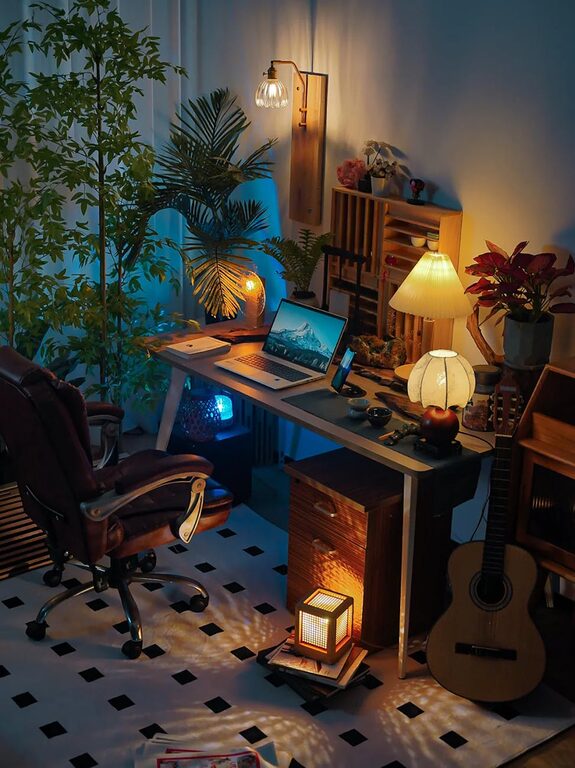
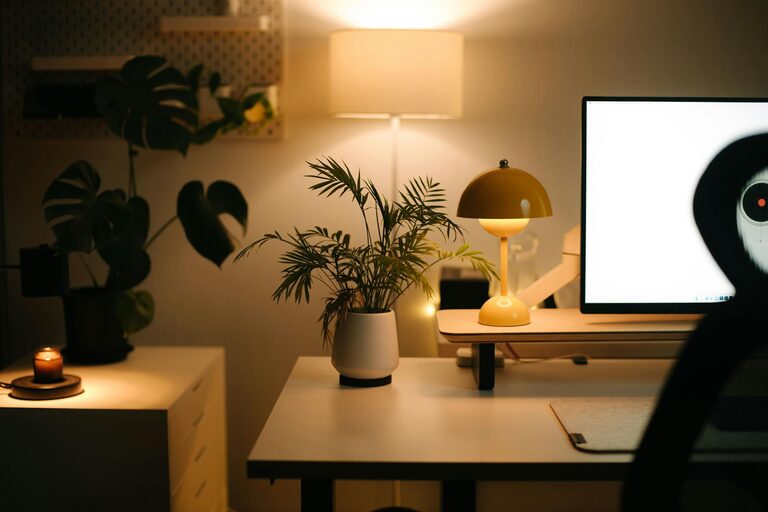
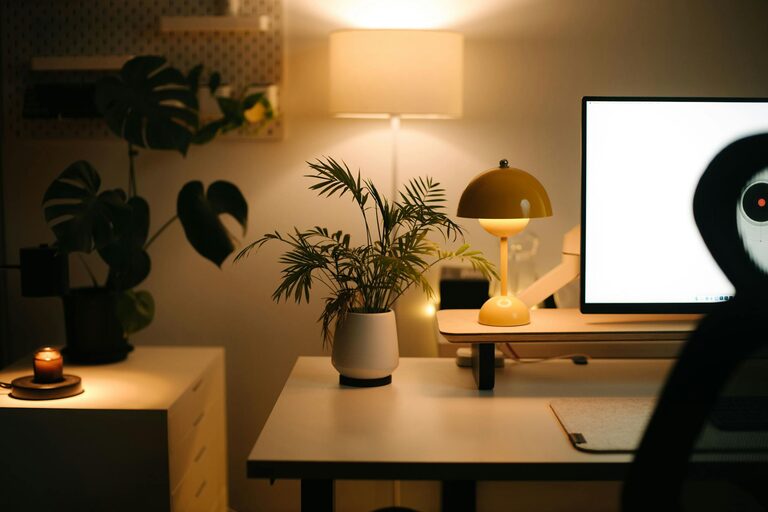
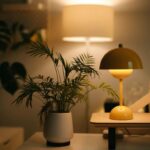
Besides natural light, ensure your office has layered lighting options. Use a combination of overhead lights, desk lamps, and ambient lighting to reduce eye strain and maintain a cozy environment.
Avoid Glare
Position your computer screen to avoid glare from windows or lights. Consider using an anti-glare screen protector if necessary.
Practice Breaks and Movement
A relaxing office isn’t just about the space but also how you use it. Take regular breaks to stretch or walk around to reduce fatigue and improve focus.
Set Boundaries
Establish clear work hours and take time to step away from your desk to recharge and prevent burnout.
Conclusion
Creating a relaxing home office is about balancing comfort, organization, and personal style. With the right location, ergonomic setup, calming colors, and thoughtful touches, your workspace can become a place where productivity and peace go hand in hand. Start implementing these tips today to transform your home office into a haven of focus and relaxation.