





Creating a productive home workspace is essential for anyone who works remotely or spends time on personal projects. The right environment can help you stay focused, reduce distractions, and maintain motivation throughout the day. In this guide, we’ll share practical tips on organizing your home workspace to maximize productivity and comfort.
Why Organizing Your Home Workspace Matters
A cluttered or poorly arranged workspace can lead to distractions and lower efficiency. When everything has a designated place, you can spend more time working and less time searching for items. Additionally, an organized area helps maintain a clear mind, reducing stress and enhancing creativity.
Choosing the Right Location
Find a Quiet Spot
Select a space in your home that experiences minimal traffic and noise. Avoid areas near the TV or in high-traffic hallways. If possible, choose a separate room to establish boundaries between work and leisure.
Consider Natural Light
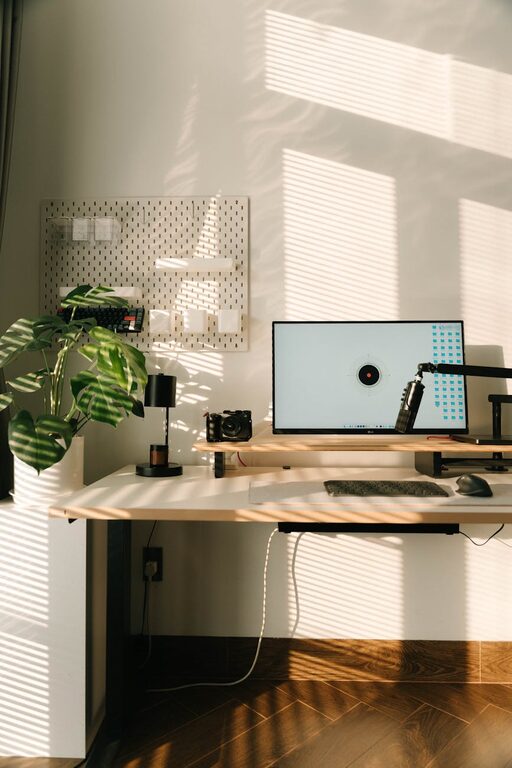
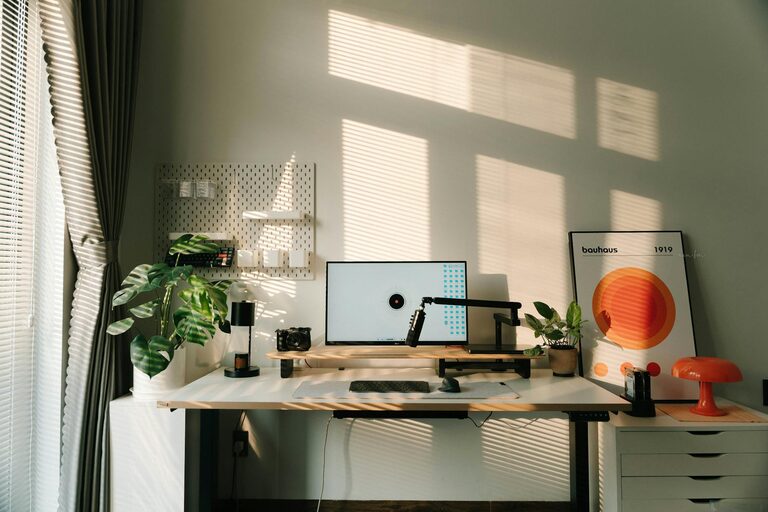
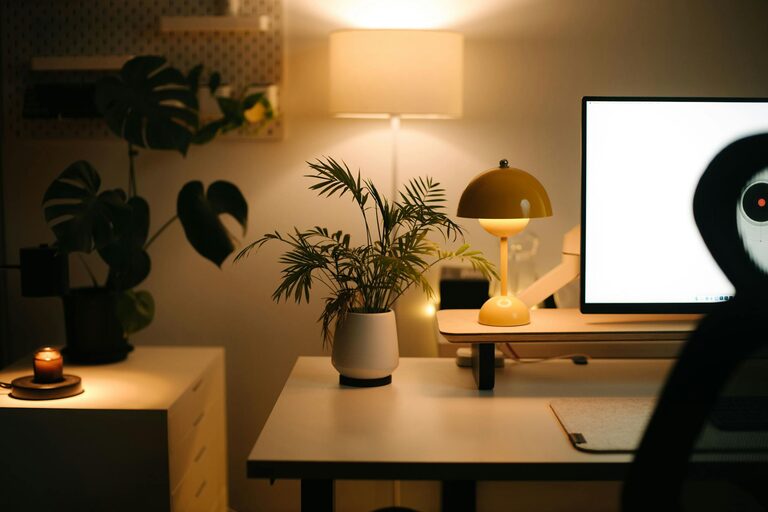
Good lighting impacts mood and productivity. Set up your workspace near a window to benefit from natural daylight, which can reduce eye strain and boost energy. If natural light is limited, invest in good quality task lighting.
Setting Up Your Desk
Select a Comfortable Desk and Chair
Choose a desk with enough surface area to fit your computer, notebooks, and other essentials without overcrowding. A comfortable, ergonomic chair supports good posture and reduces fatigue during long work hours.
Keep Frequently Used Items Within Reach
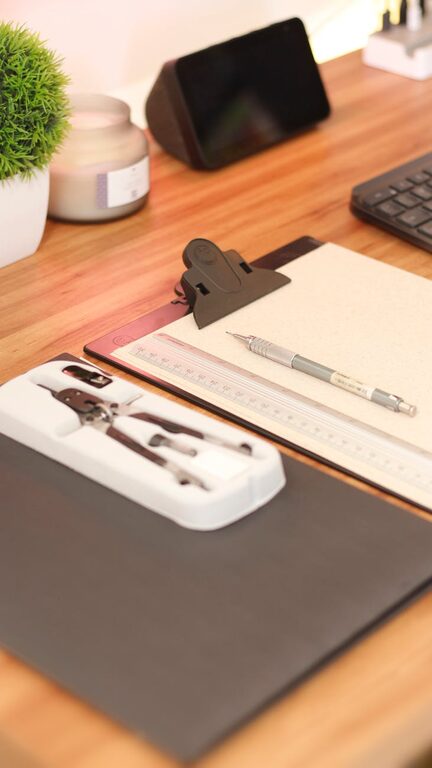
Arrange your most used tools like pens, a notebook, or a phone charger within arm’s reach. This reduces interruptions caused by searching for supplies and helps maintain your workflow.
Decluttering and Organizing
Use Storage Solutions Wisely
Declutter regularly and use organizers like trays, shelves, or drawers to keep things tidy. Label storage boxes or files to find items quickly. Vertical storage options like wall shelves save desk space and keep items accessible.
Minimize Non-Essential Items
Keep only work-related items in your workspace. Personal or distracting items can interfere with concentration. Create a separate area for personal belongings if needed.
Technology and Cable Management
Optimize Your Tech Setup
Keep your computer, monitor, keyboard, and mouse arranged ergonomically. Use a monitor stand to keep your screen at eye level and reduce neck strain.
Tame the Cables
Use cable organizers, clips, or sleeves to bundle cords and prevent a tangled mess. Keeping cables hidden or neatly arranged improves the workspace’s overall look and minimizes distractions.
Personalize Without Cluttering
Add a few personal touches like a small plant, a piece of art, or a photo that inspires you. These elements can make your workspace feel welcoming but avoid overloading it with decorations that create clutter.
Set Up a Routine and Boundaries
Define Work Hours
Establish clear work hours to maintain a healthy work-life balance. Communicate these boundaries with others in your household to limit interruptions.
Take Regular Breaks
Organize your schedule to include short breaks that allow you to stretch and rest your eyes. A well-organized workspace supports more effective breaks and transitions.
Maintain Your Workspace
End-of-Day Cleanup
Spend a few minutes at the end of each day tidying your workspace. Put away supplies, clear your desk surface, and prepare for the next day. This habit encourages a fresh start each morning.
Periodic Reassessment
Every few weeks, assess your workspace setup. Adjust based on what’s working and what isn’t. Productivity demands can change, so keep adapting your environment accordingly.
—
By thoughtfully organizing your home workspace, you create an environment that supports focus and productivity. These simple tips can help you build a comfortable, clutter-free area that encourages efficient work and a better balance between professional and personal life.